All Tweets Treats blends are bird-tested and bird-approved. These premium mixes are carefully formulated for palatability, nutrition, and visual appeal, making them suitable for most bird species. We understand that birds can be finicky eaters, which is why each formula was tested in our own aviaries to ensure acceptance and enjoyment.
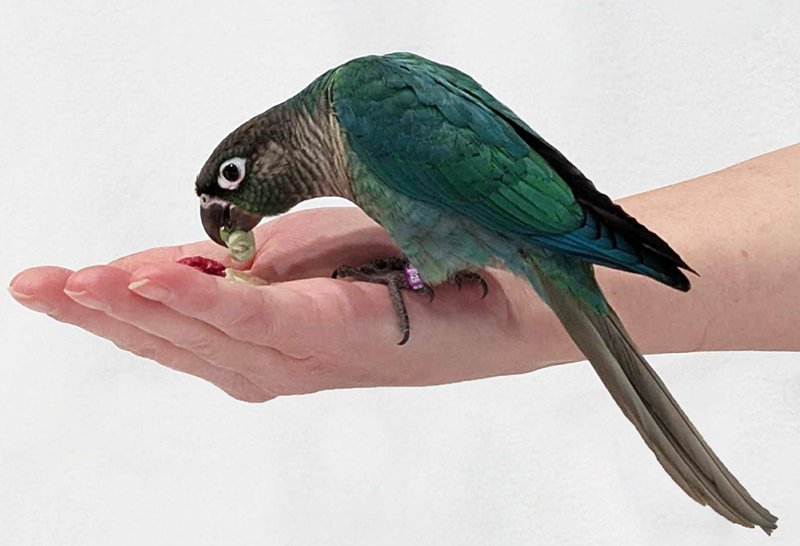
Tweets Treats add variety, nutrition, and enrichment to your bird’s daily feeding routine. Designed to complement a bird’s regular diet, they help encourage natural foraging behaviors, provide mental stimulation, and strengthen the bond between birds and their caregivers. Tweets Treats can also be used as a reward during training and are ideal for use in foraging toys.
Why a Diverse Diet Matters
Just like people, birds thrive on variety. In the wild, birds are natural foragers and consume a wide range of foods, helping them obtain essential nutrients that support energy levels, feather quality, digestion, and overall health. Dietary variety also helps prevent boredom, which is especially important for intelligent and active birds.
While offering fresh fruits and vegetables daily is beneficial, it can be time-consuming, costly, and sometimes inconvenient. Tweets Treats provide an easy and practical way to supplement your bird’s diet with added variety and nutrition.
Feeding Guidelines for Tweets Treats
Tweets Treats should be offered as a supplement, not a replacement for a bird’s primary diet. Treats should make up approximately 5–10% of a bird’s total daily food intake, adjusted based on species and size. Tweets Treats can be fed directly from the package or rehydrated, depending on preference. They may be served in a separate dish, used as a topper on the main diet, or incorporated into enrichment activities.
Nutritional Facts About Freeze Drying
Freeze-dried fruits and vegetables retain most of their original nutrition, making them one of the best preservation methods available.
Overall Nutrient Retention
90–97% of nutrients are typically retained during freeze-drying.
Because the process uses low temperatures and no liquid water, it preserves nutrients far better than canning or conventional dehydration.
Nutrients That Are Well Preserved
Fiber: Nearly 100% retained
Minerals (calcium, iron, potassium, magnesium): ~95–100%
Antioxidants & phytonutrients: ~90–95%
Protein & carbohydrates: Essentially unchanged
Vitamins
Fat-soluble vitamins (A, D, E, K): ~90–95% retained
Water-soluble vitamins:
Vitamin C: ~80–90% (some loss, but still higher than air-drying)
B vitamins: ~85–95%
Why Freeze-Drying Works So Well
Freeze-drying removes moisture by turning ice directly into vapor (sublimation), avoiding heat damage and nutrient leaching. This helps preserve:
Natural color and flavor
Cell structure
Nutritional integrity
Practical Takeaway
Freeze-dried fruits and vegetables offer nearly the same nutritional value as fresh, with the added benefits of long shelf life, convenience, and consistency. When rehydrated, they closely resemble fresh produce in both texture and nutrient content.
This makes freeze-dried ingredients an excellent option for bird diets, especially when fresh produce is not always practical.
